


Newsroom
-
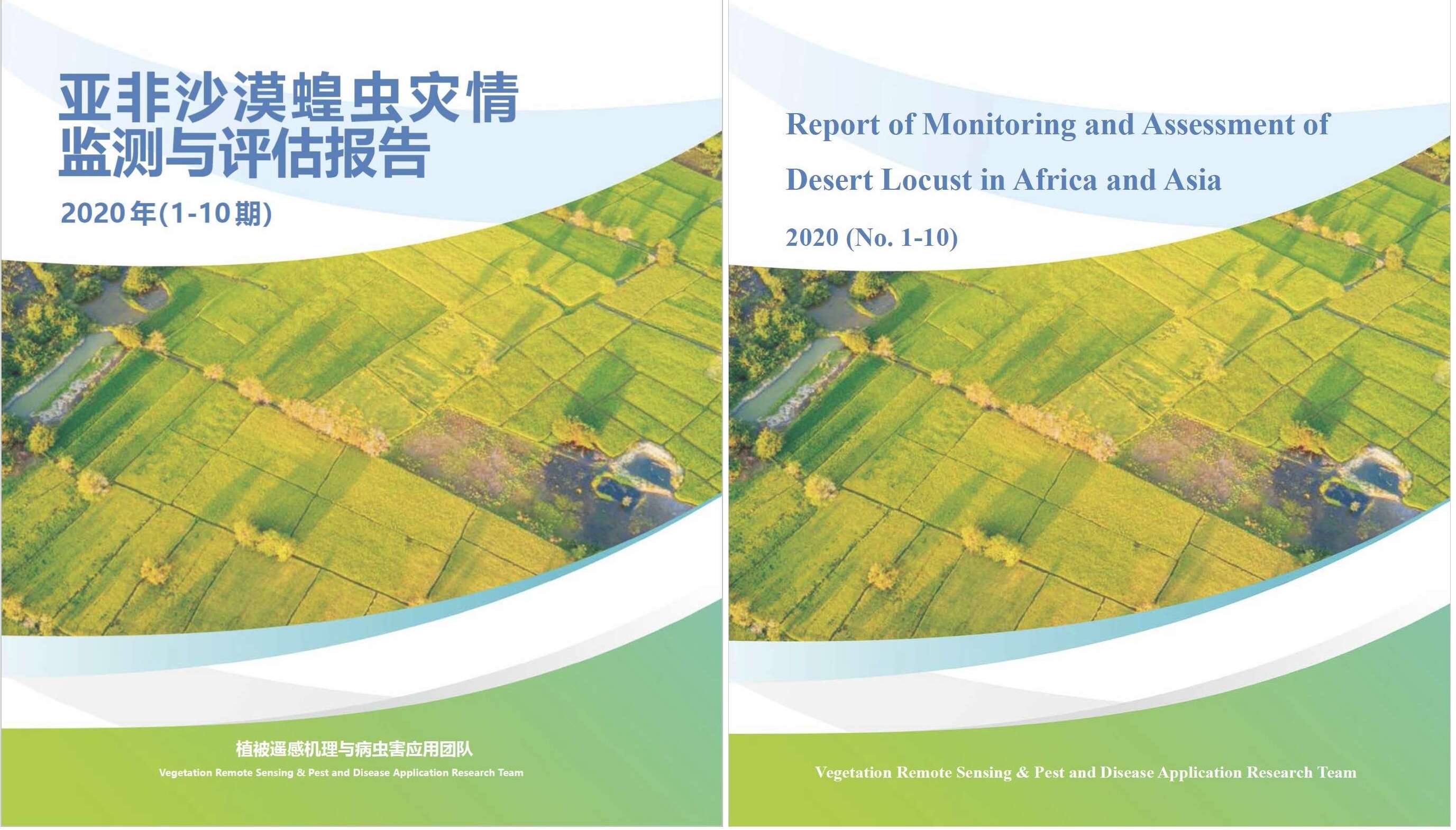 Chinese Researchers Release Reports on Desert Locusts in Asia and Africa
Researchers from the Aerospace Information Research Institute of the CAS drafted a report on the core breeding areas and migration path of desert locusts in Asia and Africa between 2018 and 2020, as well as assessment of losses to agriculture and animal husbandry caused by desert locusts in hard-hit countries including Pakistan, Ethiopia and Kenya.
17 Aug 2020 -
 Space Information Services Safeguard Chinese Ships in Arctic
BEIJING, Aug. 12 (Xinhua) -- Chinese researchers used remote sensing and model forecast data to help Chinese merchant ships Tian'en and Tianyou safely navigate the Northeast Passage of Arctic this summer.
13 Aug 2020 -
 Quake-hit Jiuzhaigou's Water Environment Restoring: Remote Sensing Study
BEIJING, Aug. 10 (Xinhua) -- A remote sensing study shows that the water environment of the Jiuzhaigou scenic spot in southwest China's Sichuan Province has started to rehabilitate after being hit by an earthquake, according to the Chinese Academy of Sciences (CAS).
11 Aug 2020 -
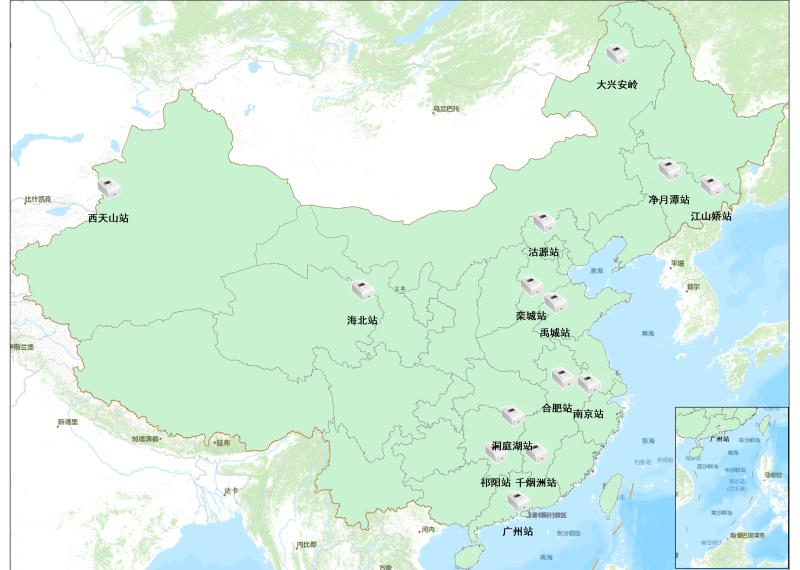 China Builds Automatic Leaf Area Index Monitoring Network
BEIJING, July 29 (Xinhua) -- Chinese researchers have realized continuous national-scale ground observation of the leaf area index by building an automatic monitoring network, according to the Aerospace Information Research Institute of the Chinese Academy of Sciences on Wednesday.
29 Jul 2020 -
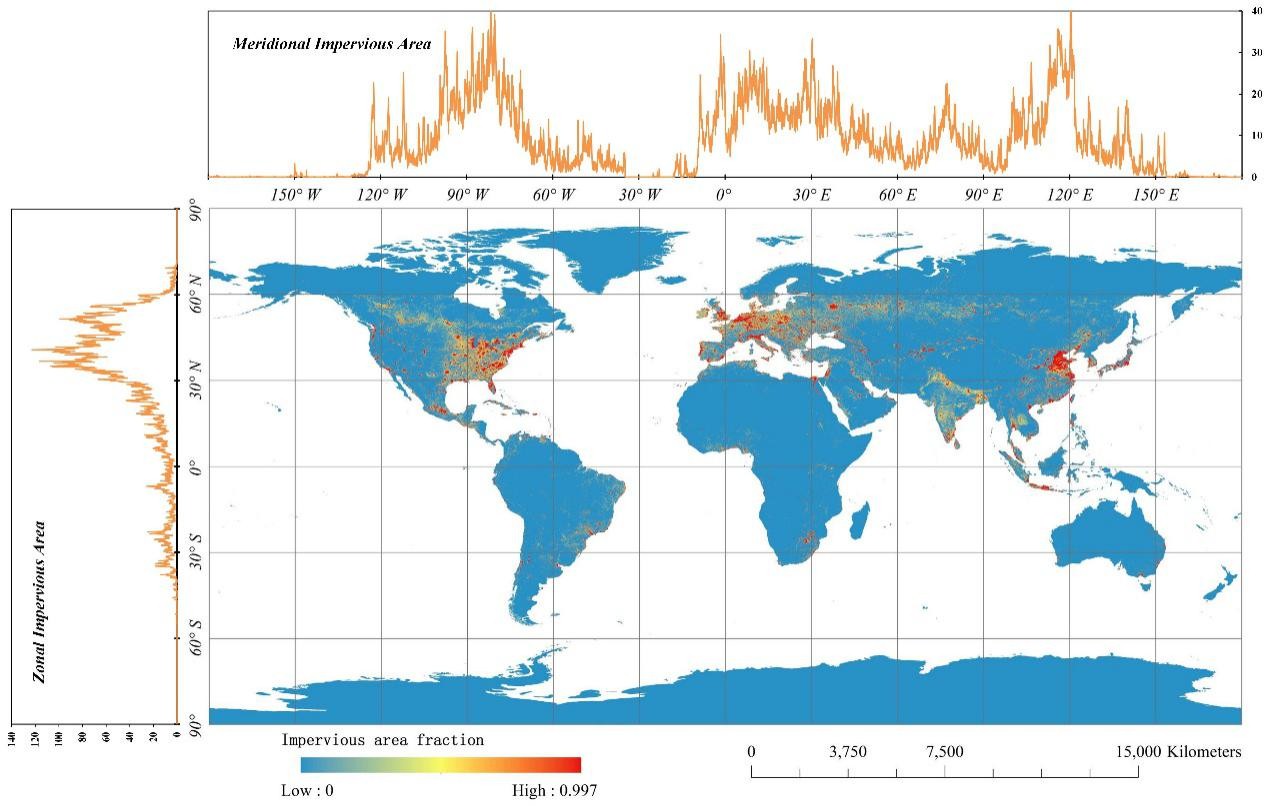 Chinese Researchers Undertake Impervious Surface Mapping
BEIJING, July 28 (Xinhua) -- Chinese researchers have generated a global 30-meter impervious surface map with high accuracy.Researchers from the Aerospace Information Research Institute under the Chinese Academy of Sciences derived the global impervious and non-impervious training samples and generated an accurate global impervious surface map at a resolution of 30 meters for 2015 based on multi-source multi-temporal remote sensing datasets.
29 Jul 2020 -
 China's Probe Radar to Explore Internal Structure of Mars
BEIJING, July 24 (Xinhua) -- After landing on Mars, China's Tianwen-1 probe will detect the surface and internal structure of the red planet by using its onboard radar equipment.A ground-penetrating radar, a key probe instrument, was developed by the Aerospace Information Research Institute under the Chinese Academy of Sciences. It is expected to survey the Martian soil and ice, and to collect data about the structure beneath the planet's surface at depths of between 10 and 100 meters.
25 Jul 2020

